

Unlocking the UK’s Hidden Hydropower Potential
Small-scale hydropower could play a much bigger role in the UK’s transition to net zero. With thousands of potential sites across the country, modern technology is creating fresh opportunities to unlock a largely overlooked renewable energy resource.
The UK’s energy transition is accelerating. As we move towards net zero and strengthen energy security, the focus has largely been on scaling wind and solar. But there’s a growing gap in the conversation, one that small scale hydropower is uniquely positioned to fill.
Unlike intermittent renewable sources, hydropower can provide consistent, predictable electricity generation. It is a proven, long-life, low-carbon technology, yet remains significantly underutilised across the UK.
The question is no longer whether hydropower has a role to play, but why more of this existing resource isn’t being developed.
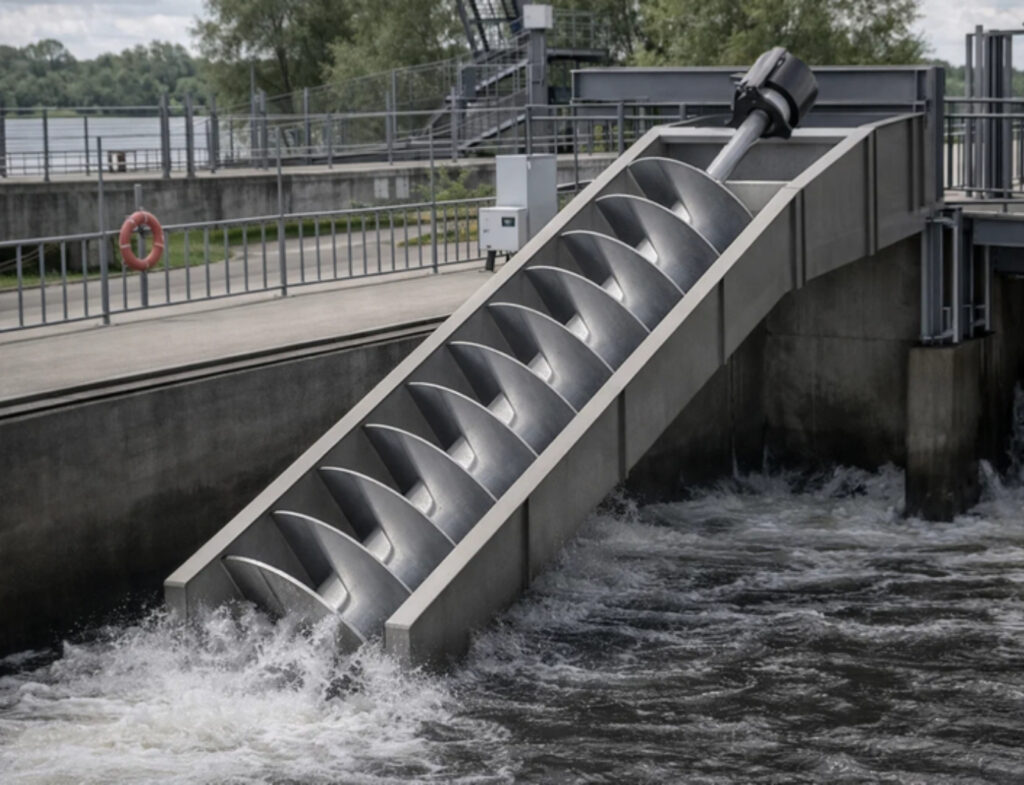
The UK does not lack hydropower potential, it lacks a pathway to unlock it.


A missed opportunity in plain sight
There are over 1,600 operational hydropower schemes in the UK, generating around 5,500 GWh annually. Yet this accounts for just 2% of total electricity generation.
At the same time, there is an estimated 850–1,550 MW of undeveloped capacity, with some projections suggesting even more.
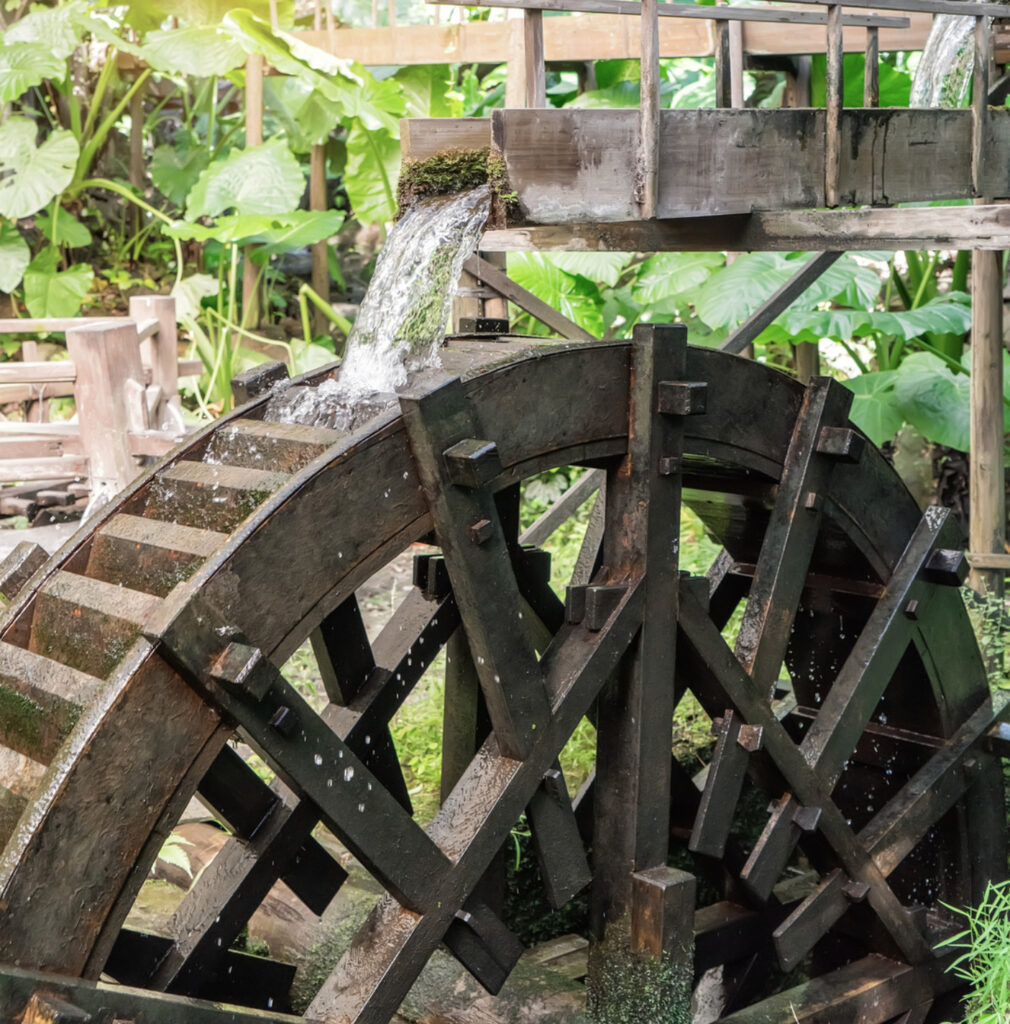
Much of this potential sits within existing infrastructure such as mills, weirs and low-head river systems already embedded in the UK landscape. It’s estimated there are over 20,000 historic mill sites where micro hydropower may be viable.
“Over 20,000
historic mill
sites where
micro
hydropower
may be viable”
This isn’t simply a theoretical opportunity. It is a practical energy resource that already exists.
Another advantage of small-scale hydropower is that many schemes can operate via private wire directly into local buildings, businesses or facilities, reducing reliance on grid connection infrastructure altogether.
At a time when many large-scale renewable projects face lengthy grid connection queues, this creates an opportunity for faster, decentralised energy deployment using generation located close to where the power is actually consumed.
This isn’t an
engineering
problem.
It’s an access
problem.
So why isn’t more hydropower being developed?
The main barriers are not necessarily technological. Instead, they relate to the systems and processes surrounding project development.
Small-scale hydropower schemes can face:
- Complex environmental and licensing requirements
- High upfront costs for surveys and approvals
- Lengthy planning processes
- Difficulties securing grid connections
These challenges can disproportionately affect smaller projects, where margins are tighter and development risks are higher.
Hydropower has not benefited from the same level of policy support or incentives as other renewables. While wind and solar have scaled rapidly, small scale hydro has remained largely overlooked.
The result is a clear disconnect:
- Viable sites exist
- Proven technology exists
- But projects are not progressing
Rethinking what’s possible
Part of the issue lies in how hydropower potential has historically been assessed.
Many earlier studies excluded low-head sites, as traditional turbine technologies made them uneconomic. That assumption shaped how opportunity was defined and limited what was considered viable.
But the technology has moved on.
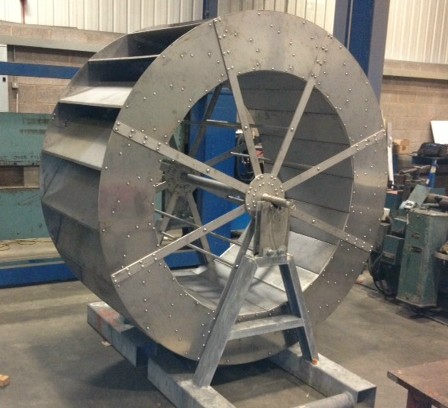
Modern approaches, particularly low-head and screw-based systems, are changing what’s possible. These solutions are more adaptable, more efficient and better suited to real world conditions.
As a result, sites once dismissed as unviable may now be entirely achievable.
This suggests the UK’s hydropower potential has likely been underestimated and that there is far more opportunity to unlock than previously thought.
A strategic fit for the UK’s energy future
Small-scale hydropower aligns closely with the UK’s energy priorities. It supports:
- Energy security through local generation
- Grid resilience with predictable output
- Net zero goals with low carbon electricity
- Infrastructure reuse, reducing the need for new development
As the UK moves towards an increasingly diverse energy mix, these characteristics make small-scale hydropower an increasingly valuable option.
In an energy system that will rely on a mix of technologies, hydropower provides something increasingly valuable. Stability.

The goal isn’t just to deploy technology, but to help reshape how hydropower is applied in today’s energy landscape.
A new generation of micro hydropower
The future of hydropower isn’t about large-scale, centralised schemes. It’s about practical, scalable solutions that work with what already exists.
Modern micro hydropower systems are designed to:
- Operate efficiently at lower head heights
- Integrate with existing infrastructure
- Minimise construction and environmental impact
- Deliver reliable, long-term electricity generation
This shift is being driven by engineering-led innovation across the sector.
FreeFlow69 is part of this movement, focused on developing adaptable, site specific solutions that unlock energy at locations previously considered unviable.
The opportunity for small scale hydropower in the UK is clear, the technology is ready, and demand is increasing, but unlocking it requires a shift in approach.
This means reassessing regulatory frameworks, revisiting outdated assumptions around site viability, increasing recognition of micro hydro in energy policy, and encouraging greater collaboration between industry and government.
Real progress won’t come from a single solution or company, but from recognising this overlooked opportunity and creating the conditions to bring it forward.